Posted By: T-Town Transport LLC
11 November, 2026
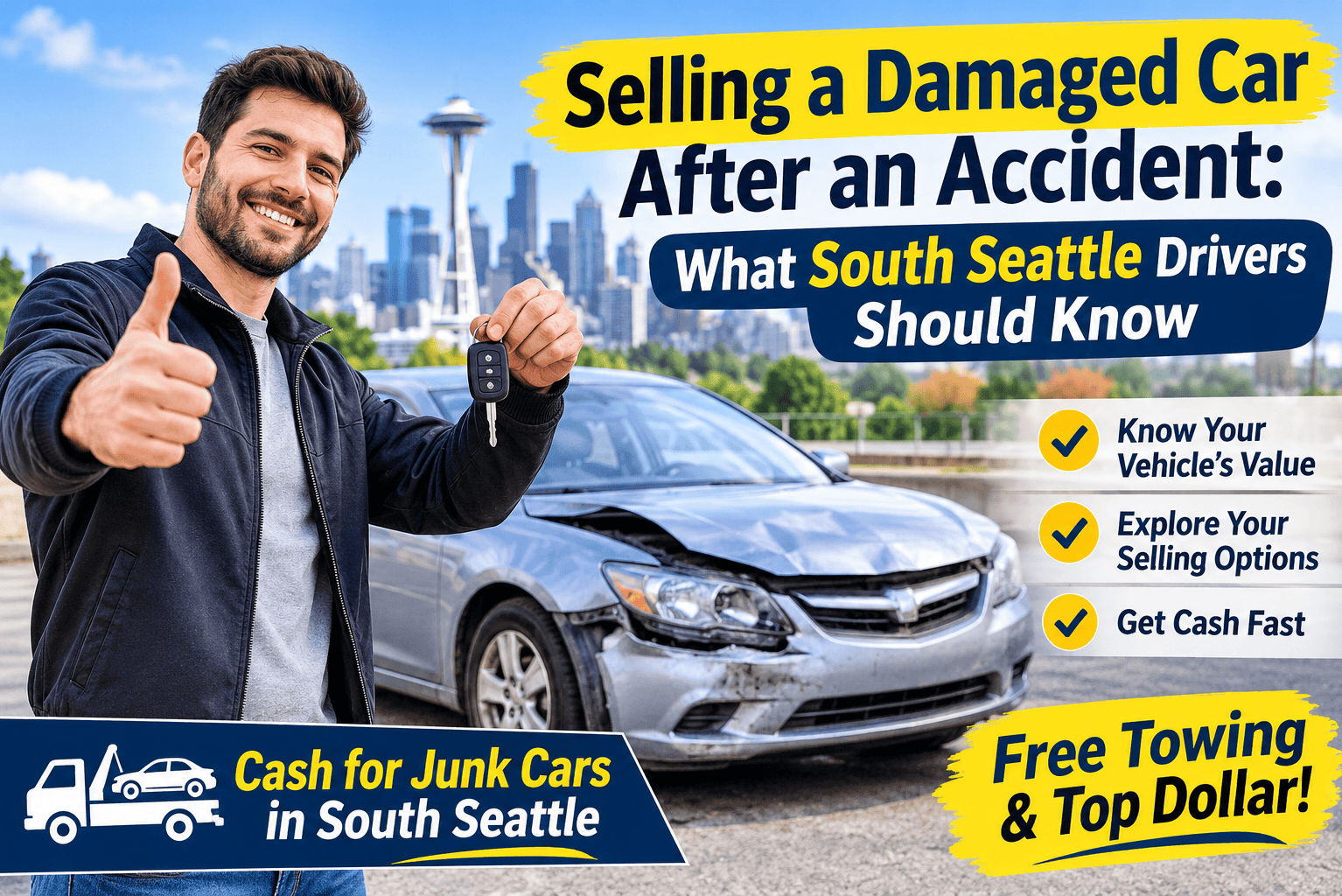
Getting into a car accident can be stressful, especially when your vehicle has suffered significant damage. Even after dealing with insurance companies, repair estimates, and transportation arrangements, you may still have one important decision to make: Should you repair the car or sell it?
For many South Seattle drivers, repairing an accident-damaged vehicle may not be the most practical option. Expensive repairs, hidden mechanical problems, frame damage, and reduced resale value can make keeping the vehicle difficult. In some situations, selling the damaged car for cash can be a simpler way to move forward.
The good news is that a vehicle does not have to be in perfect condition to have value. Depending on its make, model, year, condition, and reusable components, even a badly damaged car may be worth something.
If you are considering selling your accident-damaged vehicle, here is what you should understand before making a decision.
Before deciding whether to sell your car, take some time to understand how badly it has been damaged. Not every accident results in the same type of damage, and the repair requirements can vary significantly.
Some vehicles have minor exterior damage, while others may experience serious mechanical or structural problems.
Common types of accident damage include:
Getting a professional inspection or repair estimate can help you understand the vehicle's condition. This information can also help you decide whether repairing or selling the car makes more financial sense.
One of the biggest mistakes car owners make after an accident is spending money on repairs without considering the vehicle's actual market value.
For example, imagine your car is worth $6,000 before the accident, but the estimated repair cost is $4,500. Even after spending that amount, the vehicle may have a lower resale value because of its accident history.
In other situations, repairs may cost more than the vehicle is worth.
Before approving expensive repairs, consider:
If the repair expenses are too high, selling the vehicle to a damaged-car buyer or junk car buyer may be a reasonable alternative.
Yes, in many situations, you can sell a vehicle that an insurance company has declared a total loss. However, the process depends on the vehicle's title status, insurance settlement, and ownership situation.
An insurance company generally declares a vehicle a total loss when repairing it is not economically practical under the applicable insurance rules and valuation process.
A totaled vehicle may still have value because of its:
Before selling, make sure you understand whether the insurance company has taken ownership of the vehicle as part of a settlement. If you are keeping the vehicle, ask about the required title branding and transfer procedures.
Being transparent about the vehicle's accident history and title status helps prevent confusion during the selling process.
Having the right paperwork ready can make selling an accident-damaged car easier.
In Washington, vehicle ownership and title requirements should be handled properly before transferring a vehicle to a buyer.
Documents and information you may need include:
If you have lost your title or the insurance company has issued a branded title, ask the Washington State Department of Licensing about the correct procedure for your situation.
Avoid signing incomplete paperwork or handing over ownership documents without understanding the transaction.
Many drivers assume that a damaged vehicle has no resale value. However, that is not always true.
Even if your car cannot be driven, certain components may still be useful to buyers, recyclers, or dismantlers.
Several factors can influence the amount a buyer may offer.
When contacting buyers, provide accurate information instead of hiding damage. This helps you receive a more realistic estimate.
Once you understand your vehicle's condition and paperwork requirements, the next step is finding the right buyer.
You may consider selling through a private listing, contacting a dealership, or working with a business that purchases damaged and junk vehicles.
Selling privately may take time because many buyers prefer vehicles that are in good working condition. You may also need to arrange inspections, answer questions, and negotiate with multiple people.
Some dealerships accept accident-damaged vehicles as trade-ins, but their offers may depend on the vehicle's resale potential and repair requirements.
Businesses that purchase damaged vehicles may be interested in cars that have mechanical problems, accident damage, or significant wear and tear.
If your vehicle is no longer worth repairing, junk car buyers may consider purchasing it for reusable parts or recycling.
When comparing buyers, look beyond the initial offer. Ask whether towing is included, whether there are additional charges, what paperwork is required, and how payment will be handled.
For drivers searching for Cash for Junk Cars in South Seattle, comparing a few offers can help you understand your vehicle's potential value before accepting a deal.
You do not need to repair an accident-damaged car before contacting potential buyers. However, a little preparation can make the selling process easier.
Here are a few things worth doing:
If the vehicle is severely damaged, avoid trying to drive it just to prepare it for pickup. Ask the buyer about suitable towing arrangements.
Providing clear information beforehand can help prevent unexpected problems on pickup day.
After a serious accident, your vehicle may not be safe or even possible to drive. In that situation, transportation becomes another concern.
Hiring a separate towing company can add to your expenses, especially if the vehicle is located in a parking lot, driveway, or accident storage facility.
Some damaged-car and junk-car buyers offer towing as part of their purchasing service. However, towing policies can vary, so confirm the details before accepting an offer.
Ask the buyer:
Drivers looking for junk car removal Tacoma WA or damaged vehicle pickup should confirm these details in advance.
If you are comparing buyers in Tacoma, Seattle, or South Seattle, choosing a service that clearly explains its towing arrangements can make the experience more convenient.
Keeping an accident-damaged vehicle is not always the best option, particularly when repairs are expensive or the car has become unreliable.
Selling it may help you avoid several ongoing expenses and responsibilities.
For many owners, selling the vehicle allows them to focus on finding reliable transportation instead of continuing to invest in a car that may not be worth repairing.
Finding a buyer who understands damaged and non-running vehicles can make a difference when you want to sell after an accident.
Professional Seattle auto buyers may consider vehicles with different conditions, including cars with collision damage, engine problems, transmission issues, and extensive exterior damage.
Before choosing a buyer, make sure you understand the following:
Do not hesitate to ask questions before agreeing to sell. A trustworthy buyer should explain the process, provide clear information, and allow you to understand the terms of the transaction.
If you are located in Tacoma, you can also explore options for cash for cars Tacoma WA to compare potential buyers and determine whether selling your damaged vehicle is the right choice.
Selling a damaged car after an accident does not have to be complicated. Although dealing with vehicle damage, insurance paperwork, and repair estimates can feel overwhelming, understanding your options can help you make a better decision.
Start by evaluating the damage, comparing repair costs with the vehicle's value, organizing the required documents, and contacting buyers who accept accident-damaged vehicles.
Whether your car has minor collision damage or is no longer roadworthy, it may still have value. Exploring options for Cash for Junk Cars in South Seattle, junk car removal Tacoma WA, and Seattle auto buyers can help you find a practical way to move forward.
The most important thing is to understand the offer, confirm the towing arrangements, and complete the ownership transfer correctly before handing over your vehicle.
Yes. You can sell an accident-damaged vehicle in many situations. The available options depend on its condition, ownership documents, title status, and whether an insurance company has already taken ownership.
Yes. Its value may depend on the make, model, year, mileage, mechanical condition, and reusable parts. Even a vehicle that cannot be driven may have some value.
Not necessarily. Compare the estimated repair expenses with the vehicle's current value and potential resale price. If repairs are too expensive, selling it in its current condition may be more practical.
Yes. Washington allows owners to sell certain vehicles declared total losses, subject to applicable ownership and documentation requirements. Check the Washington State Department of Licensing instructions before completing the sale.
Yes. Some damaged-car buyers and junk-car buyers accept non-running vehicles. Explain the mechanical condition and ask whether pickup is available.
It depends on the buyer. Some businesses include towing in their offer, while others may charge separately. Always confirm the pickup arrangements before accepting an offer.
Share the vehicle's make, model, year, mileage, accident damage, mechanical condition, missing components, title status, and pickup location. Accurate details help the buyer provide a more realistic estimate.

